

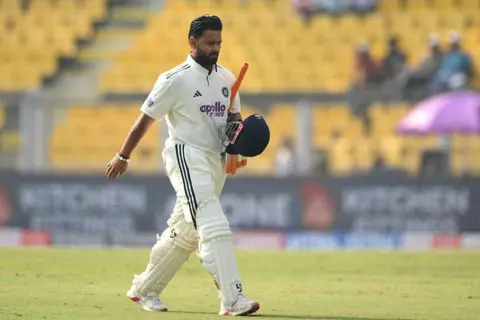
The Indian cricket team's surprising 0-2 loss to the Proteas in the recent red-ball series has plunged the side into crisis.
In the final match, the visiting team gave India their heaviest loss in Test cricket, against all odds. This represented the Proteas' first series win in the subcontinent in a quarter-century and India's second defeat at home in just one year after a decade-plus without a home loss.
The positive trajectory gained during the last several months has all but vanished and the prospects of a number of cricketers - along with head coach the coach - are under scrutiny.
Early Optimism Vanishes
The young team's commendable display in the UK this summer, under a new captain, suggested a smooth transition following the almost concurrent retirements of key players R Ashwin, Sharma, and Kohli.
An easy 2-0 win over West Indies at the start of the home campaign enhanced that perception, until the Proteas turned up and handed out a devastating defeat.
The home side were somewhat unlucky that leader Shubman Gill got injured very early in the opening Test and did not participate again in the contest. However, that does not excuse or justify the squad of the terribly sub-par display in each match against the opposition.
Several established players were damaged, and several players eyeing extended tenures in Tests were revealed to be not up to the mark - in skill or mindset - for the longer format.
A Troubling Pattern
This was the second whitewash at home suffered by the Indian team in just more than a year. Last year, unfancied New Zealand had achieved a surprising 3-0 victory which practically cost India a place in the Test championship finale.
The recent defeat to the Proteas threatens to derail the team's prospects of reaching the final of this season too.
After being third in the WTC table before the series, India have dropped to number five. Though nine more Tests are remaining, five of these are against the Aussies. Typically, competing on home turf would be a huge advantage - even against the powerful Australians. Yet the disasters against New Zealand and the Proteas offer no room for that confidence.
Causes of the Fall
The national team's weakness in the longer format has been significantly highlighted. Nevertheless, the reason the team have performed so poorly in Tests at home lately is continues to confuse.
From the year 2000 onwards, India were considered impregnable in red-ball cricket at home. In hot, humid conditions and on tracks that assisted spinners and aided their squad, the hosts faced little challenge. The odd series defeat, such as in 2012-13 against England, was viewed as an anomaly.
Now, India look to be beatable in their own backyard.
Against New Zealand in last year and South Africa this year, India were defeated by their own tactics. The tracks they prepared to suit their strengths went wrong completely, as the opposition capitalized on them more skillfully, outplaying the home team's players when it counted the most.
What's Gone Wrong?
A few experts argue that India is struggling at home because local wickets have been modified from spinning tracks to fast tracks to train the squad to succeed abroad.
A few mention that the Indian Premier League (IPL), in which many overseas players take part, has taken away the surprise and difficulty subcontinental pitches would present to them earlier.
While there is some truth in these views, it does not clarify why the team's showings on home soil have witnessed such a staggering decline.

Multiple Failings
Many past stars diagnose a complicated issue, not just a few causes.
Analysts and squad members have pointed to several failings after India's embarrassing defeat to the South Africans: underrating the rivals, inadequate readiness, questionable picks, excessive self-belief, frequent changes of the playing XI, and prioritising white-ball over red-ball cricket.
This was evident in the showings of the team.
Cricketers such as Rishabh Pant and Jaiswal, of whom so much was expected, were punished for their lack of application, while Sai Sudarshan, Reddy, and Jurel - who were aiming to establish their place in the team - were found wanting in ability and attitude, facing the fallout for their casual attitude.
Only a handful - Jadeja, Jasprit Bumrah, Kuldeep, Mohammed Siraj and Sundar - lived up to their talent and reputation - but not well enough to claim wins.
Management Questions
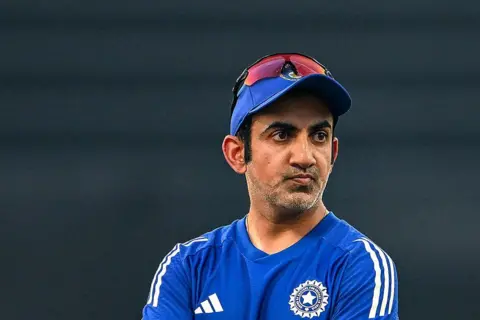
The analysis targeted just the players - selectors and coaching staff were also criticized, spurred on by disappointed supporters and critical former players. In the spotlight of the scrutiny was head coach Gautam Gambhir.
At his post-series press

